
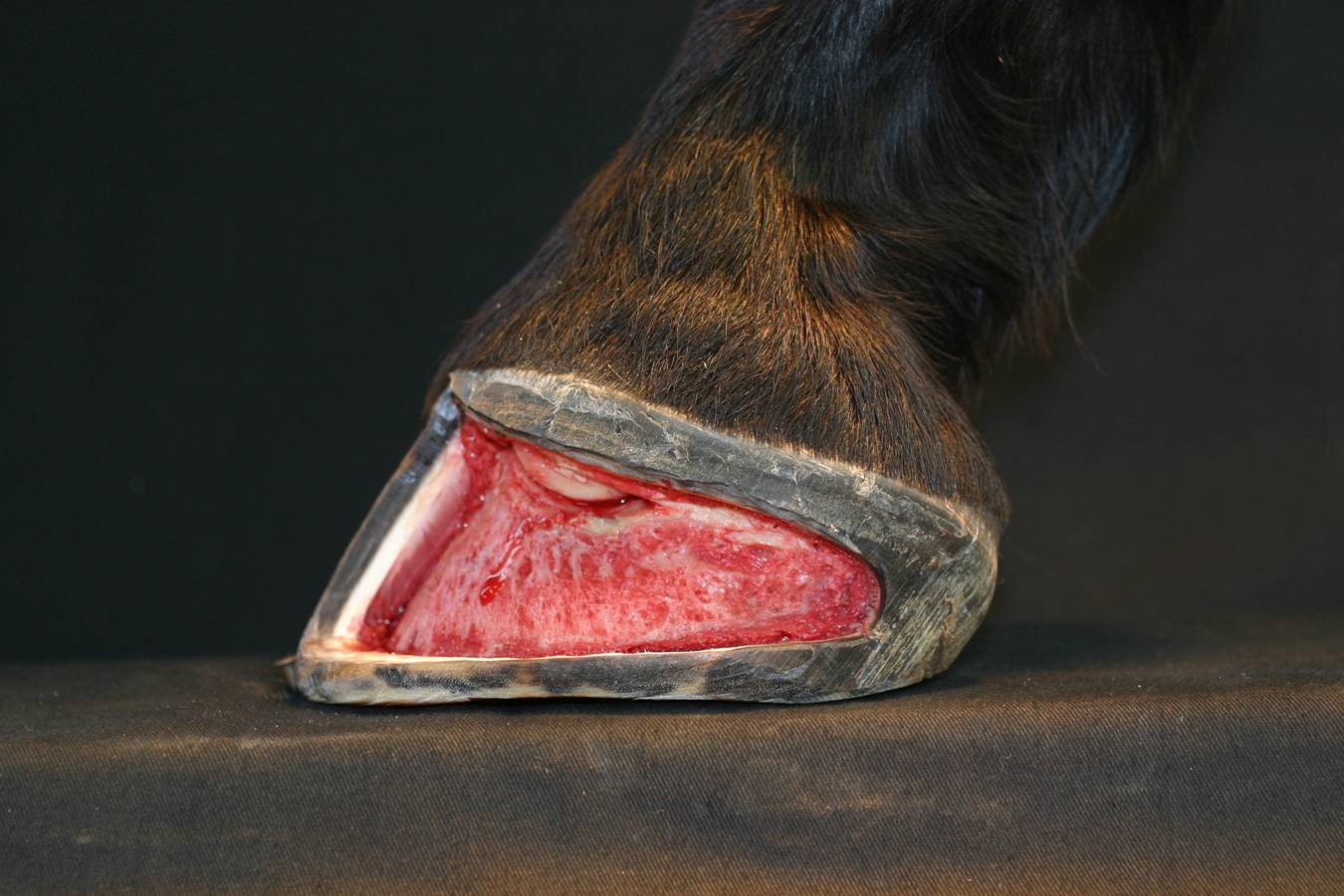
Understanding the Growth of Equine Hoof Epidermal Structures: A Guide for Horse Owners and Enthusiasts
Understanding the Growth of Equine Hoof Epidermal Structures: A Guide for Horse Owners and Enthusiasts
As a horse owner or enthusiast, you’ve likely heard plenty about the importance of healthy hooves. After all, a horse’s hoof is often referred to as its “foundation”—and like any strong structure, it requires careful attention and maintenance. But what exactly makes up a hoof, and how does it grow?
In this article, we’ll explore the basics of equine hoof anatomy, focusing on the growth of the hoof’s epidermal structures, which are crucial to your horse’s overall hoof health. By understanding the process, you’ll be better equipped to care for your horse’s hooves, whether your horse is barefoot or shod.
What Are Hoof Epidermal Structures?
The hoof is made up of several parts, but when we talk about epidermal structures, we are referring specifically to the horn-producing tissues of the hoof, which are the outermost layers. These structures include:
Wall – The hard outer layer that provides support and protection.
Sole – The bottom of the hoof that helps absorb shock.
Frog – The V-shaped structure in the center of the sole, which plays a role in shock absorption and traction.
Coronary Band – The soft tissue just above the hoof wall where new hoof growth is initiated.
White Line – A junction between the hoof wall and the sole, important for determining hoof balance.
Unlike the soft tissue of your skin, these parts are made of keratin, the same material found in human hair and nails. It is produced by specialized cells in the hoof, which work together to create and maintain the hoof’s strong, protective exterior.
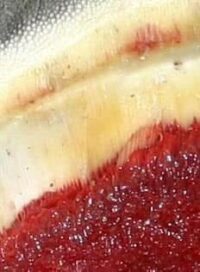
White line originating from terminal papilla orotund the distal fringe of the pedal bone and the non sensitive horny lamellar is a flexible junction between wall and sole
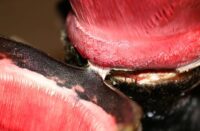
The highly vascular and germanative coronary corium produces the hoof wall
How Do Hooves Grow?
Hoof growth is a continuous process, and just like human hair or fingernails, the horse’s hooves grow from specialized tissue layers. The outer epidermal structures—the hard, keratinized tissues that make up the hoof wall, sole, frog, and other external parts—are produced by deeper dermal structures, which lie beneath the surface.
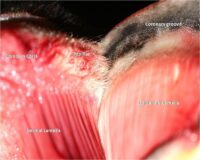
Dissected cadaver highlighting the dermal structures within the foot.
Epidermal Structures and Their Dermal Origins: The epidermal structures of the hoof are primarily composed of keratin, produced by cells in the dermis, the tissue layer just beneath the skin. The dermis is where the hoof’s growth process begins. It is made up of living cells that produce new keratinized (hardened) cells as they migrate outward toward the surface. The keratin that forms the hard outer hoof wall, sole, and frog originates from specialized dermal layers, including:
Coronary Dermis: This is the key area where new hoof tissue is generated. It lies just beneath the coronary band (the soft tissue near the top of the hoof) and is responsible for producing the keratin that forms the hoof wall.
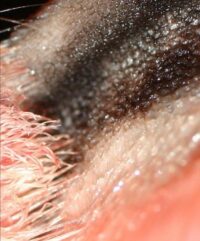
Hair like projections known as papilla fit into holes in the epidermal coronary groove to produce the horn tubules
Laminar Dermis: The sensitive structures within the hoof, including the laminae, are located in the laminar dermis. These structures provide support and act as the anchor points for the hoof wall to stay firmly connected to the underlying bone (the coffin bone).
Sole Dermis: Beneath the sole (the bottom of the hoof), the dermis helps produce the keratinous sole material, which provides additional protection and shock absorption.
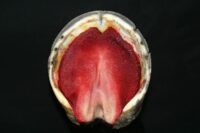
Sole and frog sensitive structures
Rate of Growth: The keratin-producing dermal structures work continually to produce new cells that form the hoof’s outer layers. Hooves typically grow about ¼ to ½ inch per month, although growth can vary based on factors like nutrition, exercise, and environment. As the keratinized cells move downward, they eventually form the visible hoof structures. The growth is a slow process, but it is constant, and as new layers of keratin are added, older layers are pushed toward the tip of the hoof, where they either wear down naturally or are trimmed.
Growth Phases: The new epidermal cells produced in the dermal layers move from the coronary band downward, eventually reaching the ground surface. As the hoof grows, the cells at the bottom are worn down or trimmed to keep the hoof balanced and functional.
The coordination between the dermal layers (which generate new cells) and the epidermal layers (which harden and form the visible hoof) is what ensures that your horse’s hooves remain strong, healthy, and functional.
Factors That Influence Hoof Growth
Several factors can affect how a horse’s hooves grow:
Diet and Nutrition: Proper nutrition is essential for strong, healthy hooves. Horses require a balanced diet with adequate protein, biotin, zinc, and other minerals to support keratin production. Hoof supplements are often recommended for horses with weak or slow-growing hooves.
Exercise and Movement: Regular movement, particularly on hard surfaces, helps stimulate the hoof’s growth and encourages healthy wear patterns. Horses that are frequently on soft ground may develop longer, softer hooves, which may need more frequent trimming.
Seasonal Changes: Hoof growth can vary with the seasons. In spring and summer, horses typically experience faster growth due to increased warmth, daylight, and grazing. In contrast, hoof growth can slow during colder months.
Environmental Conditions: Hooves are highly affected by environmental factors. Wet conditions can lead to softer hooves, which might become more prone to damage, while excessively dry conditions can cause hooves to crack or become brittle.
Health and Soundness: A horse’s overall health will directly influence its hoof growth. Lameness, metabolic disorders (like Cushing’s disease), or poor circulation can all impede proper hoof growth. Hoof care professionals often look for signs of uneven growth, cracks, or distortions that may indicate underlying issues.
Why Trim and Maintain Hooves?
Even though the hoof grows continuously, it’s important to maintain balance through regular trimming or natural wear. This is especially crucial for barefoot horses, as improper hoof balance can lead to pain or injury.
Barefoot Horses: If a horse is barefoot (without shoes), it is essential to regularly trim the hooves to ensure they stay in good condition. The trim helps prevent excessive wear on certain areas, ensures the hooves are balanced, and avoids the development of uneven growth patterns.
Shoeing: For horses that are shod, a farrier may trim the hooves more frequently to ensure the shoes fit properly and to prevent distortion of the hoof shape.
Maintaining a hoof care routine that suits your horse’s needs is essential for long-term hoof health, regardless of whether they are barefoot or shod.
Hoof Care for Barefoot Horses: What You Can Do
If your horse is barefoot, here are a few key things you can do to encourage healthy hoof growth:
Regular Exercise: Keep your horse moving regularly, ideally on a variety of surfaces, including hard ground. This helps with natural hoof wear and stimulates hoof growth.
Proper Nutrition: A healthy, balanced diet supports keratin production and overall hoof strength. Discuss supplements like biotin or other hoof-supporting nutrients with your vet or equine nutritionist.
Regular Hoof Trims: Even barefoot horses need regular hoof care. Work with a qualified trimmer or farrier who understands the unique needs of barefoot horses and can assess their growth, wear patterns, and balance.
Environmental Management: Try to manage your horse’s environment by ensuring access to dry, clean areas. Hooves that remain too wet or too dry can develop problems like thrush, cracks, or excessive wear.
Watch for Signs of Trouble: Be alert for any signs of discomfort, uneven wear, or cracks in the hooves. If you notice anything concerning, consult with a hoof care professional.
Final Thoughts
The growth of equine hooves is a fascinating process that relies on a combination of nutrition, movement, and proper care. Understanding how the hoof grows and what influences its health—starting from the dermal structures beneath the surface, all the way to the visible epidermal structures—can empower you to take better care of your horse, whether it’s barefoot or shod. Regular maintenance and monitoring can go a long way in ensuring your horse’s hooves remain strong, functional, and healthy.
By keeping an eye on hoof health and partnering with a knowledgeable farrier or trimmer, you’re ensuring your horse’s well-being for the long run—after all, a healthy hoof is a happy and sound horse.
For more information why not take a look at HoofFlix.com
#hoofflix #scientifichorseshoeing #horseowner #equestrianlife #equineanatomy #theequinehoof #hoofcare #barefoottrimmer #farrier #horseshoeing #horses
The study of the equine hoof Mark Caldwell scientifichorseshoeing.co.uk Lucinda Stockley Neil Madden Matthew James Awcf Dorian Madin Andrew Prout Awcf The Hoof Architect The Shoeing Lab Limited Life Data Labs Inc. Equigate @