
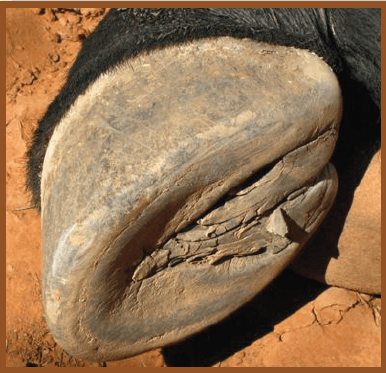
To barefoot or not to barefoot that is the question
In this post we discuss the approaches to hoof trimming comparing and contrasting the different approaches that are advocated. If you want to know more check out our myth busters tutorial with Jamie Jackson on HoofFlix
Barefoot trimming has become an essential part of modern equine hoof care, with many horse owners, farriers, and veterinarians turning to natural hoof care practices. This approach to hoof management emphasizes the idea that horses’ hooves are designed to function without the need for shoes, as long as they are properly maintained. However, barefoot trimming isn’t a one-size-fits-all method—different practitioners have developed their own systems and techniques, each with its unique focus and philosophy. In this article, we’ll explore several major barefoot trimming techniques, including the Mustang Roll, Four-Point Trim, Universal Sole Depth, Hoof Mapping, and the protocol for trimming horses in preparation for shoes. We will also compare these techniques, discussing their strengths and weaknesses, while attributing them to the correct experts in the field.
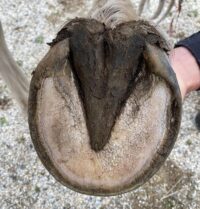
1. Mustang Roll (Jamie Jackson’s Natural Trim)
Jamie Jackson is a leading figure in the barefoot movement, and his Natural Trim approach has been hugely influential. Central to his trimming philosophy is the concept of the Mustang Roll, which refers to the natural, smooth curve that appears on the hoof wall of wild horses, particularly Mustangs, due to the constant wear from their movement on rough, varied terrain.
Key Principles of the Mustang Roll:
* Mimicking Natural Wear: Jackson advocates for trimming in a way that mirrors the natural wear seen in wild horses. The Mustang Roll describes the naturally rounded shape of the hoof wall as seen in horses that are not shod and move on abrasive surfaces.
* Minimal Intervention: The method focuses on minimal trimming, allowing the hoof to grow in a more natural, unaltered way. Jackson’s goal is to let the horse’s natural movement do the work of shaping the hoof.
* Holistic Care: Jackson promotes a holistic approach to barefoot care, including diet, exercise, and environmental factors, in addition to trimming.
Pro’s
* Horses with healthy hooves or those in natural environments where their movement naturally wears the hooves down.
* Horses that are not involved in intense physical activities.
Cons
* This approach may not be ideal for horses involved in strenuous work, as they might not wear down their hooves sufficiently.
* Horses transitioning from shoes may require more intensive care to correct imbalances before adopting this method.
2. Four-Point Trim (Rick Redden’s Approach)
The Four-Point Trim is central to the work of Rick Redden, a farrier who emphasizes the importance of balance and function in the hoof. This technique is especially useful for horses with imbalanced or damaged hooves, and it is a corrective trimming method rather than a naturalistic one.
Key Principles of the Four-Point Trim:
* Balanced Trimming: Redden’s technique focuses on four main areas of the hoof—the quarters, the toe, the heel, and the bar—which are trimmed to ensure symmetry and balance. This balance helps to support the overall biomechanics of the horse and prevent hoof-related injuries.
* Support for Movement: The goal is to improve the distribution of weight across the hoof, ensuring that the horse’s movement is as efficient and pain-free as possible.
* Corrective Focus: The Four-Point Trim is often used for horses with issues like flaring, uneven hoof walls, or lameness. It’s a corrective trim that aims to bring the hoof into proper alignment.
Pros
* Horses with imbalances or defects in their hooves, such as flaring, underdeveloped heels, or damage caused by improper shoeing.
* Horses that need rehabilitation after being shod for an extended period.
Cons
* The technique requires significant expertise, and improper trimming can lead to further imbalance.
* It is more intensive than some barefoot methods and may require regular intervention.
3. Universal Sole Depth (Michael Savoldi’s Method)
Michael Savoldi is a notable advocate for the concept of Universal Sole Depth, which emphasizes ensuring a consistent, appropriate sole thickness across the entire surface of the hoof. This principle is essential for ensuring that the hoof provides adequate protection and support while still allowing the horse to move naturally.
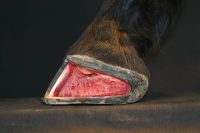
Key Principles of Universal Sole Depth:
* Consistent Sole Thickness: Savoldi’s approach focuses on maintaining a consistent depth of the sole. This ensures that the hoof can provide the right amount of protection and support while avoiding the negative effects of over-trimming or excessive sole buildup.
* Functional Protection: The trimmed sole should offer enough protection against rough terrain and pressure but not be so thick as to hinder natural expansion and contraction.
* Holistic and Comfort-Oriented: Savoldi’s system aims to enhance the comfort of the horse by ensuring that the sole depth is functional for the horse’s environment, preventing soreness or excessive wear.
Pros
* Horses that are transitioning to barefoot and need protection while their hooves strengthen.
* Horses used in regular work, where consistent sole depth is crucial for comfort and protection.
Cons
* Requires a high level of skill to achieve the correct sole depth.
* Horses in more natural environments may not need as much sole management, making this approach less applicable in those cases.
4. Hoof Mapping (A Comprehensive Approach)
Hoof Mapping is a method used by various practitioners, including Rick Redden and Gene Ovnicek, which involves creating a detailed map of the internal and external structures of the hoof. By visualizing the natural contours and structures of the hoof, trimmers can ensure that each trim is tailored to the horse’s specific needs.
Key Principles of Hoof Mapping:
* Custom Fit: Hoof mapping helps to tailor the trim to the individual hoof, identifying areas of weakness, imbalance, or overgrowth. This map is used to guide trimming to ensure that the hoof is shaped for optimal function.
* Biomechanical Awareness: The map considers how the hoof interacts with the rest of the horse’s body, including the alignment of the legs and overall movement. This makes it particularly useful for performance horses or horses that need detailed management.
* Thorough Inspection: The hoof is thoroughly examined, and the map is used as a guide for the trimmer to ensure that all aspects of the hoof are addressed.
Pros
* Performance horses, horses with complex hoof issues, or those needing specific support.
* Horses transitioning from shoes or those in need of rehabilitation.
Cons
* Time-consuming and requires advanced knowledge of hoof structure.
* Not as practical for horses in natural settings where such detailed analysis may not be necessary.
5. Trimming for Shoeing (Traditional Shoeing Protocol)
In contrast to barefoot methods, trimming for the application of a horseshoe is a distinct process where the hoof is shaped and prepared to accommodate a metal shoe. This process is often necessary for horses working in harsh environments or engaged in high-intensity activities such as racing, jumping, or heavy work.
Key Principles of Trimming for Shoeing:
* Preparation for Shoe: The hoof is trimmed to leave enough hoof wall height to attach the shoe securely, ensuring the horse’s comfort and support.
* Balanced Hoof for Function: Like other trimming techniques, trimming for shoeing also focuses on hoof balance, but with the added goal of providing a smooth, level surface for the shoe to sit upon.
* Maintaining Hoof Integrity: While the hoof will be altered for shoe placement, it’s still crucial that the trim allows the hoof to function properly, avoiding damage to the internal structures.
Best Suited For:
* Horses that work in environments where barefoot isn’t an option (hard roads, rocky terrain).
* Horses in competitive sports or heavy labor where added protection is needed.
Criticism:
* Horseshoes can inhibit natural hoof expansion and contraction, which may lead to long-term hoof problems.
* Regular application and maintenance of shoes can be costly and time-consuming.
Comparison Summary
Mustang Roll(Jamie Jackson) Natural wear, minimal intervention Mimics wild horse wear patterns, minimal trimming Horses in natural environments, healthy hooves Not ideal for performance horses or those with hoof issues
Four-Point Trim(Rick Redden) Corrective, balance-focused trimming Focus on quarters, toe, heel, and bar balance Horses with hoof issues or imbalances Intensive, requires frequent attention
Universal Sole Depth (Michael Savoldi) Consistent sole thickness for protection and function Maintains uniform sole depth for comfort and support Horses transitioning to barefoot, working horses Requires advanced skill to maintain proper sole depth
Hoof Mapping(Combination) Tailored trimming based on hoof structure Mapping internal and external hoof contours Performance horses, rehabilitation cases Time-consuming and requires expert knowledge
Trimming for Shoeing Preparing hooves for horseshoes Creates a smooth surface for shoe application Horses in heavy work or competition Prevents natural hoof function, potential for long-term issues
Conclusion
The world of barefoot trimming offers a variety of techniques that cater to different needs and philosophies. Whether you follow Jamie Jackson’s Mustang Roll, Rick Redden’s Four-Point Trim, Michael Savoldi’s Universal Sole Depth, or a combination of approaches like Hoof Mapping, each method has its benefits and is suited to different types of horses and environments. By understanding the core principles of these systems and comparing them to the traditional Horseshoeing.